
The challenge
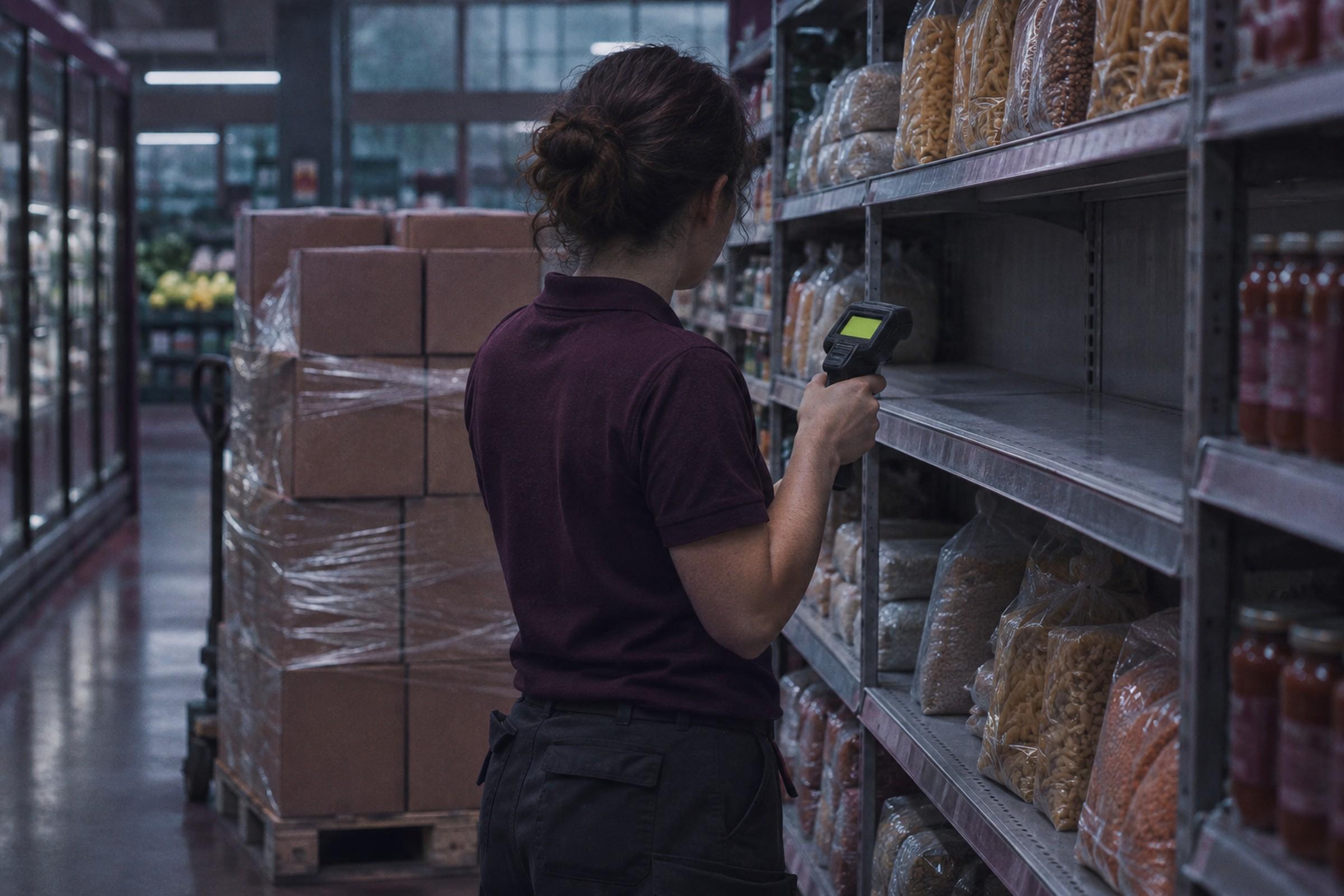
A regional supermarket chain in Rio de Janeiro. The out-of-stock indicator in the ERP was low, and still sales of fast-moving items kept dropping.
The cause was phantom stock. The system showed stock for products that were not in the store, so the replenishment order was never triggered.
The solution
Lumeis OS connected these sources in one base, with the source of every number:
- The chain’s ERP: stock by store, purchasing and transfers.
- Point-of-sale data, receipt by receipt, by store and by hour.
- Store inventory counts.
- Store managers’ WhatsApp, to arrange transfers.
“The system said the product was there. The shelf said it was not. Now replenishment follows what the store really has.”
The results
What we found
At a Rio de Janeiro supermarket chain, out-of-stocks fell 33 pp. Each employee gained more than 2,000 minutes in store replenishment.
What changed in the routine
- A replenishment algorithm sets each store’s order from sales and real stock, without waiting for the ERP balance to hit zero.
- Items showing signs of phantom stock go on a count list for the store to check the same day.
- WhatsApp agents arrange transfers between stores: the store with surplus gets the request and confirms the shipment.

The numbers were measured in the client's operation, in the period shown. The client stays anonymous, with a description of the type of company.