
The challenge
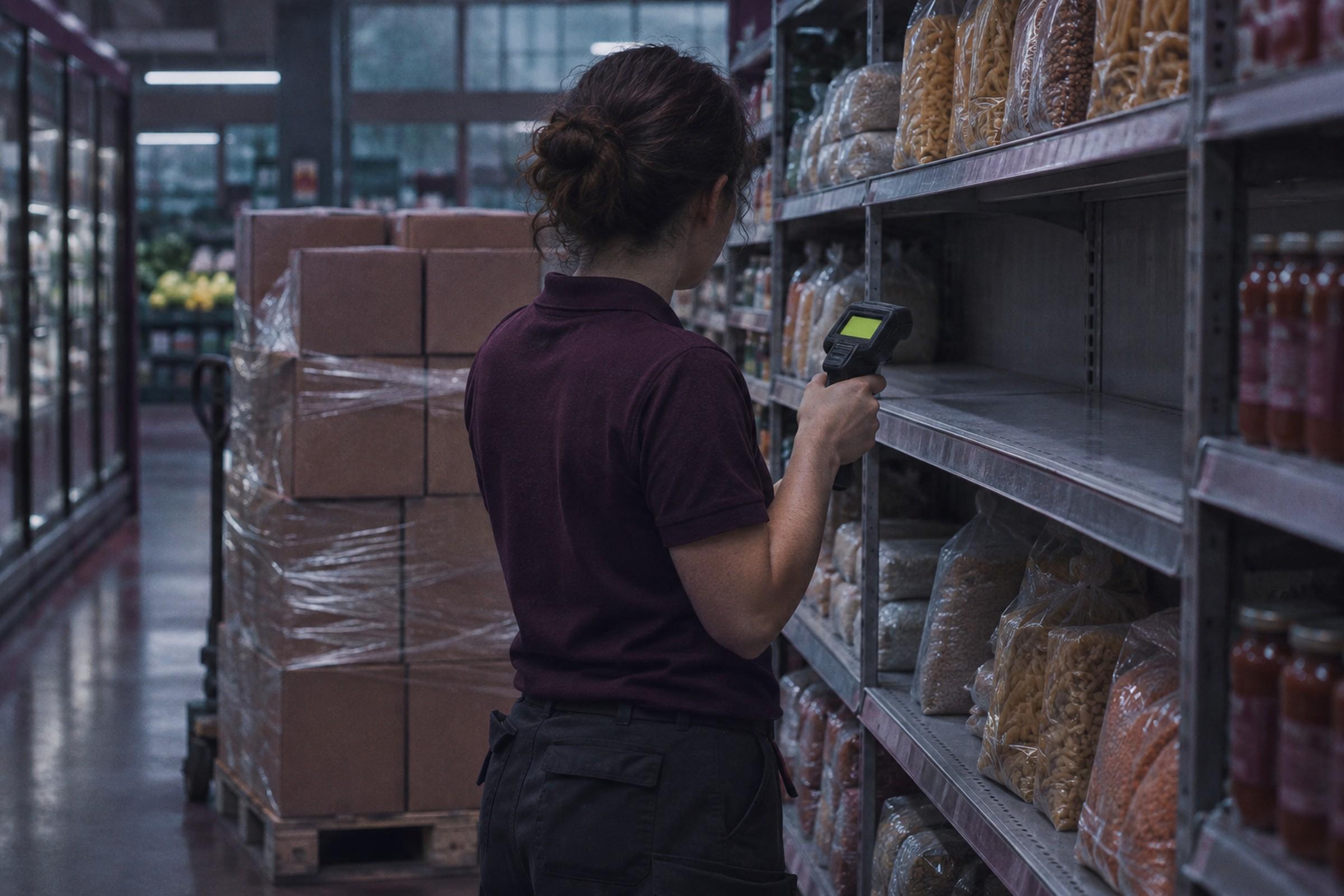
A food manufacturer with national distribution. Regional managers built the demand forecast by region, in spreadsheets, and it fed the monthly S&OP.
The planning team wanted to know which forecasting method missed less, measured week by week against invoicing.
The solution
Lumeis OS connected these sources in one base, with the source of every number:
- ERP: orders, invoicing and stock by distribution center.
- Regional S&OP forecasts, version by version.
- Promotion calendar agreed with distributors.
“Seeing the algorithm miss less in 23 of 24 weeks changed the S&OP conversation. Now every adjustment has to show it improves the number.”
The results
What we found
23 of 24 · At a food manufacturer, the backtest tested forecasting methods against 24 weeks of invoicing. The selected algorithm missed by 36.4%, against 47.1% for the regional forecast, and won in 23 of the 24 weeks.
Period: 24 weeks
What changed in the routine
- The algorithm selected by the backtest became the S&OP baseline.
- A regional adjustment on top of the baseline comes with a logged reason and has its error measured afterwards.
- The backtest runs again every cycle, and each forecast’s error is published every week, by region.

The numbers were measured in the client's operation, in the period shown. The client stays anonymous, with a description of the type of company.